7 Best Single Braced Cymbal Stands for Every Drummer (2026)
Find the best single braced cymbal stand for your kit. We compare seven models by use case, weight, and build so you can choose with confidence.
 By Audrey Hayes
Updated November 22, 2026
 By Audrey Hayes
Updated November 2026
A single braced cymbal stand uses one leg brace to support the tripod base, which keeps the footprint small and the setup simple. For drummers with tight stage space or a compact kit, that tradeoff matters. This guide compares seven widely available models on the criteria that count most: stability, weight, adjustability, and how well each suits a particular playing style.
Our top picks at a glance
- 1TOP CHOICEBest overallYamaha CS-755 Boom Cymbal StandView on Amazon
- 2
 TOP CHOICEBest for heavy crashesTama Stage Master Straight Cymbal StandView on Amazon
- 3
 TOP CHOICEBest for light jazz setupsYamaha CS-655A Boom Cymbal StandView on Amazon
- 4
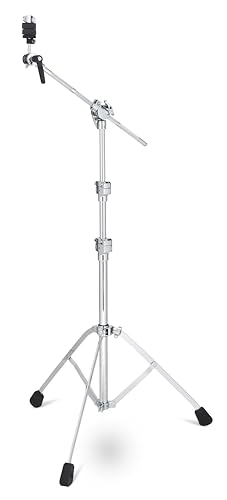 Best for budget builds3000 Series Single Brace Boom Cymbal StandView on Amazon
- 5
 Best for paired standsTama HC52F Classic Light Straight Cymbal StandsView on Amazon
- 6
 Best for multi-cymbal kitsNUOSHENG Adjustable Cymbal StandView on Amazon
- 7
 Best for straight-stand fansYamaha CS-750 Straight Cymbal Stand – Medium Weight, Single-BracedView on Amazon
Our Top Picks
| Product | Best for | Key feature |
|---|---|---|
| Yamaha CS-755 Boom Cymbal Stand | Overall use | Medium weight, single brace |
| Tama Stage Master Straight Cymbal Stand | Heavy crashes | Single-braced straight design |
| Yamaha CS-655A Boom Cymbal Stand | Light jazz setups | Lightweight boom arm |
| 3000 Series Single Brace Boom Cymbal Stand | Budget builds | Single-brace boom design |
| Tama HC52F Classic Light Straight Cymbal Stands | Paired stands | Flat base, two-pack |
| NUOSHENG Adjustable Cymbal Stand | Multi-cymbal kits | Adjustable height and angle |
| Yamaha CS-750 Straight Cymbal Stand | Straight-stand players | Medium weight, single brace |
Yamaha CS-755 Boom Cymbal Stand
Yamaha CS-755 Boom Cymbal Stand – Medium Weight, Single-Braced, Boom Stand
Best for: Overall use across genres.
This medium-weight boom stand suits drummers who want one dependable stand for rock, pop, and general gigging. Its single-brace base leaves more room around the kit.
Pros
- Medium weight balances stability and portability.
- Boom arm reaches over the kit without crowding other pieces.
Cons
- Heavier than the lightweight options for very small setups.
Tama Stage Master Straight Cymbal Stand
Tama Stage Master Straight Cymbal Stand with Single-Braced Legs
Best for: Heavy crashes and aggressive playing.
Drummers who hit hard and use heavier cymbals often want a straight stand that holds steady under load. This model is built for that use.
Pros
- Single-braced legs keep the footprint compact.
- Straight design gives a direct, stable cymbal height.
Cons
- Less versatile than a boom for overhead cymbal placement.
Yamaha CS-655A Boom Cymbal Stand
Yamaha CS-655A Boom Cymbal Stand – Lightweight, Single-Braced
Best for: Light jazz setups.
Jazz and small-kit players often prefer a lighter stand that will not dominate the setup. This boom model fits that approach.
Pros
- Lightweight construction is easy to position.
- Boom arm suits compact, angled cymbal placement.
Cons
- May feel less solid under heavy crashes.
3000 Series Single Brace Boom Cymbal Stand
3000 Series Single Brace Boom Cymbal Stand
Best for: Budget builds.
Beginners and students assembling a first kit often want a functional single-brace boom without a premium price tag. This model covers the basics.
Pros
- Single-brace boom design saves floor space.
- Suits a first or secondary kit setup.
Cons
- Owners often report that build quality varies compared with major brands.
Tama HC52F Classic Light Straight Cymbal Stands
Tama HC52F Classic Light Straight Cymbal Stands – Flat Based, 2-pack – Bundle
Best for: Paired stands for a two-cymbal setup.
This two-pack suits drummers who need matching stands for hi-hat or paired crashes and want a flat, stable base.
Pros
- Two stands in one purchase simplify matching setups.
- Flat base sits well on uneven stage floors.
Cons
- Light build may not suit the heaviest cymbals.
NUOSHENG Adjustable Cymbal Stand
NUOSHENG Cymbal Stand, Adjustable Cymbal Stand for Drum Hardware Percussion Mount Holder Gear Set Drum Hardware Set for Mounting Crash, Ride, Splash Cymbals, Stable and portable
Best for: Multi-cymbal kits and adjustable setups.
Players who run several cymbals of different sizes benefit from a stand with broad height and angle adjustment.
Pros
- Adjustable height and angle cover many cymbal sizes.
- Lightweight and portable for gigging.
Cons
- Less established brand reputation than the Yamaha and Tama options.
Buying Guide
Stability and Base Design
A single braced stand relies on one leg brace for balance, so the base design matters more than it does on a standard tripod. Look for a wide, weighted base or a flat-based design that resists tipping when you hit hard on crashes and rides. Check that the brace locks firmly and that the leg joints do not wobble under pressure.
If you play loud or aggressive styles, prioritize stands that feel planted even before you add a cymbal. A stand that shifts during a fill will quickly disrupt your timing and your confidence.
Boom Versus Straight Design
Boom stands extend an arm over the kit, which gives you flexible cymbal placement and works well for ride cymbals and crashes positioned at odd angles. Straight stands are simpler, more compact, and generally lighter, which suits drummers who keep their cymbals in fixed positions. Decide which layout your kit needs before you compare individual models.
Weight and Portability
Stand weight affects both stability and how easily you can move your setup between gigs, rehearsals, and home practice. Heavier stands usually resist tipping better, while lighter stands are easier to carry and set up quickly. Consider how often you transport your gear and whether you value a solid feel or quick portability more.
Adjustability and Cymbal Compatibility
Check the height range, tilt options, and clutch quality so you can position cymbals comfortably for your reach and playing style. A good clutch holds its position without slipping and tightens without stripping. Also confirm that the cymbal sleeve and tilter fit the cymbal sizes you actually play, especially if you use heavier crashes or larger rides.
FAQ
What is a single braced cymbal stand?
A single braced cymbal stand uses one leg brace to support its base instead of the usual multiple legs. This design keeps the footprint small and makes setup simple, which is useful for compact kits and tight stage spaces. It works best when the base is wide or weighted enough to stay stable.
Is a single braced stand as stable as a tripod stand?
A well-built single braced stand can feel very stable, especially with a heavy or wide base. Stability depends more on the quality of the base and brace than on the number of legs alone. Test any stand you are considering by pressing on the arm and checking for movement before you commit.
Should I choose a boom stand or a straight stand?
Choose a boom stand if you want the freedom to position cymbals over the kit at different angles. Choose a straight stand if you prefer a simpler, more compact setup with fixed cymbal placement. Your kit layout and playing habits should guide the decision.
Are cheaper single braced stands worth buying?
Budget stands can work well for practice, home use, and beginners, but they vary widely in build quality. Focus on the clutch, the base, and the brace rather than the price alone. Reading recent feedback from other drummers can help you spot potential weak points.
How do I keep my cymbal stand from tipping over?
Position the stand on a level surface and extend the brace fully before adding the cymbal. Keep the cymbal close to the center of the stand where possible, and avoid overtightening the clutch in ways that stress the joints. Regularly check the leg and brace locks, since they can loosen with use.
Do I need a cymbal sleeve or felt with my stand?
Most stands include or accept a cymbal sleeve or felt, which protects the cymbal from metal contact and helps reduce unwanted noise. Using felts is a good habit regardless of the stand you choose. Make sure the sleeve size matches your cymbal before you play.
Conclusion
Drummers who want a compact, simple setup for stage or practice should look at the straight single braced options, especially if their cymbals stay in fixed positions. Players who need flexible cymbal placement over a larger kit will get more value from a boom stand with a solid base and a reliable clutch.
Budget-conscious drummers and beginners can start with a well-reviewed model that balances stability and adjustability, then upgrade as their playing and gear needs grow. Whichever you choose, prioritize a stable base and a clutch you trust, since those two features do the most to keep your cymbals safe and your playing consistent.
Related reading
- 6 Best Double Braced Cymbal Stands for Every Drummer (2026)
- Yamaha Lightweight Cymbal Stand: 6 Best Picks for Every Drummer (2026)
- Yamaha Cymbal Stand Parts: A Guide to Every Component and Fix
About Audrey Hayes
Audrey Hayes is part of our editorial team and reviews and edits our drums guides, checking product details against manufacturer specifications and owner feedback.
About the author
Audrey Hayes writes reviews and buying guides for Drum Path.