Left Double Bass Drum Pedal: 6 Best Picks for Lefty Drummers
Looking for a left double bass drum pedal? Compare six left-footed picks by use case, pedal design and setup needs, then choose the one that fits your kit and p
 By Audrey Hayes
Updated November 24, 2026
 By Audrey Hayes
Updated November 2026
If you play with your left foot on the kick, finding a left double bass drum pedal can be harder than it should be. Most pedals are built for right-footed drummers, so the options shrink fast. This list focuses on left-footed double pedals and the criteria that matter most: drive type, footboard feel, cam options, build weight and how easily the pedal fits a standard kit.
Our top picks at a glance
- 1TOP CHOICEBest overallPDP BY DW 700 Series Left-Foot Double (Single Chain) Bass Drum Pedal (PDDP712L)View on Amazon
- 2
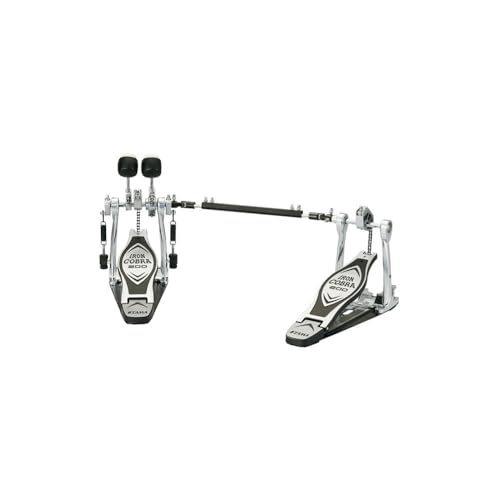 TOP CHOICEBest for hardware-focused playersTama HP200PTWL Iron Cobra 200 Bass Drum Pedal – Left-HandedView on Amazon
- 3
 TOP CHOICEBest for long-stroke fansPearl P932 Longboard Double-bass Drum Pedal – Left*View on Amazon
- 4
 Best for chain-drive loversYamaha Left-Foot Double Bass Drum Pedal Chain-Drive with Case, DFP-9CLView on Amazon
- 5
 Best for dual-kick powerTama HP900PWLN Iron Cobra Power Glide – Dual Kick Drum Pedal, Left-FootedView on Amazon
- 6
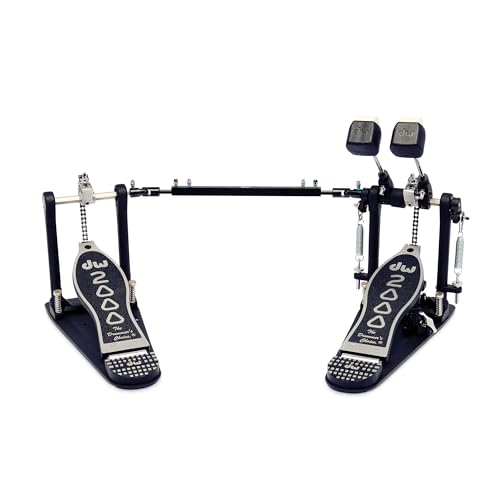 Best for premium feelDW 2000 Series Double Bass PedalView on Amazon
Our Top Picks
| Product | Best for | Key feature |
|---|---|---|
| PDP BY DW 700 Series Left-Foot Double (Single Chain) | Overall value | Single-chain left-foot drive |
| Tama HP200PTWL Iron Cobra 200 | Hardware-focused players | Left-handed Iron Cobra design |
| Pearl P932 Longboard | Long-stroke fans | Longboard footplate |
| Yamaha DFP-9CL | Chain-drive lovers | Chain drive with case |
| Tama HP900PWLN Iron Cobra Power Glide | Dual-kick power | Power Glide drive |
| DW 2000 Series Double Bass Pedal | Premium feel | Heavy-duty build |
PDP BY DW 700 Series Left-Foot Double (Single Chain) Bass Drum Pedal (PDDP712L)
PDP BY DW 700 Series Left-Foot Double (Single Chain) Bass Drum Pedal (PDDP712L)
Best for: Overall value
This pedal suits drummers who want a dependable left-footed double pedal without stepping into high-end pricing territory. Owners often report a smooth, consistent stroke once the spring tension is dialed in.
Pros
- Single-chain drive is simple to maintain
- Adjustable footboard angle suits most players
Cons
- Rigid footboard can feel firm for light-touch players
Tama HP200PTWL Iron Cobra 200 Bass Drum Pedal – Left-Handed
Tama HP200PTWL Iron Cobra 200 Bass Drum Pedal – Left-Handed
Best for: Hardware-focused players
Drummers who care about pedal mechanics and want a left-handed version of a well-known single-pedal design will find this a solid match. It fits players who plan to build toward a double setup over time.
Pros
- Familiar Iron Cobra feel for players who already know the brand
- Sturdy base resists walking on hard floors
Cons
- Single-pedal configuration may need adapting for true double use
Pearl P932 Longboard Double-bass Drum Pedal – Left*
Pearl P932 Longboard Double-bass Drum Pedal – Left*
Best for: Long-stroke fans
The longboard footplate is aimed at drummers who prefer a long, deliberate heel-toe motion. Players who lean toward rock and fusion phrasing often favor this kind of footboard.
Pros
- Extended footboard gives a broad, stable platform
- Good for players who want a traditional double pedal feel
Cons
- Longer footboard takes up more floor space
Yamaha Left-Foot Double Bass Drum Pedal Chain-Drive with Case, DFP-9CL
Yamaha Left-Foot Double Bass Drum Pedal Chain-Drive with Case, DFP-9CL
Best for: Chain-drive lovers
Drummers who want the snappy response of a chain drive and a carrying case included will appreciate this option. It suits gigging players who move their kit often.
Pros
- Chain drive gives a fast, direct response
- Included case helps with transport
Cons
- Chain drives need periodic lubrication and tension checks
Tama HP900PWLN Iron Cobra Power Glide – Dual Kick Drum Pedal, Left-Footed
Tama HP900PWLN Iron Cobra Power Glide – Dual Kick Drum Pedal, Left-Footed
Best for: Dual-kick power
This dual-kick pedal is built for drummers who want heavier, more powerful strokes for rock and metal material. It is a good fit for players who already have a stable, well-set-up kit.
Pros
- Power Glide drive is designed for consistent, forceful strokes
- Strong hardware suits high-volume playing
Cons
- Heavier build adds weight to transport
Buying Guide
Drive Type: Chain, Strap, or Direct
Chain-drive pedals are the most common choice and deliver a fast, direct response with a familiar feel. Strap-drive pedals are often quieter and smoother, which some players prefer for long sessions. Direct-drive designs offer a very immediate connection between foot and beater but can feel different from what you are used to, so it helps to know which style you already play.
Footboard Feel and Pedal Geometry
The footboard shape affects how your foot sits and how much control you have over each stroke. Look for a footboard that matches your ankle angle and heel position, since a mismatch can cause fatigue during fast playing. Adjustable heel plates and footboard tilt are useful features if you want to fine-tune the setup.
Cam Options and Response
The cam determines how the pedal’s leverage changes through the stroke. Round cams feel smooth and even, while eccentric or offset cams can add a punchier attack for players who want more power. Choose a cam style that suits your technique, whether you prioritize speed, precision or a heavier stroke.
Build Weight and Stability
A heavier base and sturdy hardware keep the pedal planted during aggressive playing, which matters most for high-energy styles. Lighter pedals are easier to transport and can feel more nimble, but they may slide or shift if the setup is not secured. Think about how often you move your kit and how hard you typically hit.
Compatibility With Your Kit
Before buying, confirm that the pedal works with your bass drum hoop, clamp and spacing. Check whether the pedal is designed as a left-footed unit so that the footboard and linkage sit correctly for your foot. A quick check of your existing hardware can save you from a return or an awkward fit. You may also like 5 Best Centered Double Bass Pedal Picks for Drummers (2026).
FAQ
What does left-footed mean on a double bass pedal?
A left-footed double bass pedal is set up so the drummer’s left foot operates the primary beater, which is the reverse of the standard right-footed layout. The linkage, footboard and beater positioning are all arranged to suit that foot. This configuration is useful for left-footed players who want a natural feel without adapting their technique.
Can I use a left-footed pedal on any drum kit?
Most left-footed double pedals fit standard bass drum hoops, but you should confirm the clamp size and hoop compatibility before buying. Check the manufacturer’s specifications for the hoop range and mounting method. A quick measurement of your existing hardware will help you avoid a poor fit.
Should I choose chain drive or strap drive as a beginner?
Chain drive is a popular starting point because it offers a responsive, familiar feel that many teachers and method books assume. Strap drive can be smoother and quieter, which some beginners find more comfortable. Trying both if you have access to a shop is the best way to decide.
Do I need a double pedal if I only play single bass drum?
A double pedal is only necessary if your music calls for fast double-stroke or double-kick patterns. If you mostly play single-kick parts, a single pedal may be all you need. Many drummers add a double pedal later once their style or repertoire evolves.
How do I keep a double pedal from sliding during play?
Use a rubber or non-slip mat under the footboard and make sure the base is positioned flat against the floor. Tightening all clamps and checking the spur or base plate regularly also helps. Adjusting the pedal’s angle so your foot rests naturally can reduce unwanted movement.
Conclusion
If you want a responsive, familiar setup for everyday playing, a chain-drive left-footed pedal from a major brand is a solid first choice. Drummers who prioritize smoothness and quiet operation may prefer a strap-drive model, while players focused on power and stability should look at heavier, well-built options.
For experienced left-footed drummers who want a specific feel, match the cam style, footboard and build weight to your playing style and kit. Testing the pedal in person, if possible, remains the best way to confirm the right fit.
Related reading
- Who Invented the Double Bass Drum Pedal? A Short History
- Used Double Bass Drum Pedal: What to Check Before You Buy
- Single Vs. Double Bass Drum Pedal Spring Tension: Which Is Better?
- Pearl P532 Double Bass Drum Pedal: Setup, Adjustment and Buying Tips
- Pearl Drum Double Bass Pedal: A Buyer's and Setup Guide
About Audrey Hayes
Audrey Hayes is part of our editorial team and reviews and edits our drums guides, checking product details against manufacturer specifications and owner feedback.
About the author
Audrey Hayes writes reviews and buying guides for Drum Path.