6 Best Drum Heads for Recording: Our Picks Compared
Looking for the best drum heads for recording? Compare six picks for clear tone, controlled attack, mic-friendly bass drum options, and quieter practice.
 By Miles Sinclair
Updated November 22, 2026
 By Miles Sinclair
Updated November 2026
Finding the best drum heads for recording comes down to three things: how the head sounds through a microphone, how well it resists overtones that muddy a mix, and whether it holds up through long sessions. This list compares six heads and kits that home studio drummers and session players often consider, focusing on tonal control, sustain, and mic compatibility. The picks are based on manufacturer specifications, product listings, and common owner feedback patterns rather than our own testing.
Our top picks at a glance
- 1TOP CHOICEBest overallEvans EC2S Clear Rock Tompack Drum Heads 10", 12", 16"View on Amazon
- 2
 TOP CHOICEBest for mic-ready bass drumResonant Bass Drum Head 22 Inch with Microphone HoleView on Amazon
- 3
 TOP CHOICEBest for adjustable bass drum controlEvans EMAD2 Clear Bass Drum Head, 22"View on Amazon
- 4
 Best for focused low endDedHeds Bass Drum Head – Focused Low End, Batter Side (22 Inch)View on Amazon
- 5
 Best for quiet tracking sessionsBeatello Silent Mesh Drum Head Set – 5-Piece Volume ReductionView on Amazon
- 6
 Best for a complete bass drum systemEvans EMAD2 Bass Drum System Pack, 22 inchView on Amazon
Our Top Picks
| Product | Best for | Key feature |
|---|---|---|
| Evans EC2S Clear Rock Tompack | Overall recording toms | Balanced tone, consistent response |
| Resonant Bass Drum Head 22 Inch | Mic-ready bass drum | Built-in microphone hole |
| Evans EMAD2 Clear Bass Drum Head | Adjustable bass drum control | External damping system |
| DedHeds Bass Drum Head 22 Inch | Focused low end | Batter and reso sides |
| Beatello Silent Mesh Drum Head Set | Quiet tracking sessions | Five-piece volume reduction |
| Evans EMAD2 Bass Drum System Pack | Complete bass drum system | Ported reso and swappable rings |
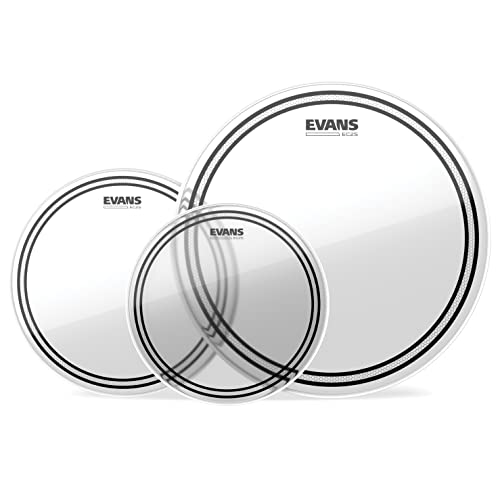
Evans EC2S Clear Rock Tompack Drum Heads 10″, 12″, 16″
Evans EC2S Clear Rock Tompack Drum Heads 10", 12", 16" | Evans drum heads deliver balanced tone, consistent response, durability, and reliable performance.
Best for: Overall recording toms
This tompack suits drummers who want a dependable, even tone across the kit without a lot of setup. It is a practical starting point for multitrack sessions.
Pros
- Balanced tone across sizes
- Consistent response on repeated hits
Cons
- Less sustain control than damped options
Resonant Bass Drum Head 22 Inch with Microphone Hole
Resonant Bass Drum Head 22 Inch with Microphone hole, Perfect for Recording & Live Performance
Best for: Mic-ready bass drum
Drummers who want an inside mic position without cutting a hole in the head themselves will find this useful. It fits recording setups that rely on a close-mic bass drum sound.
Pros
- Pre-cut microphone hole
- Works for both studio and live use
Cons
- The hole limits some resonant head options
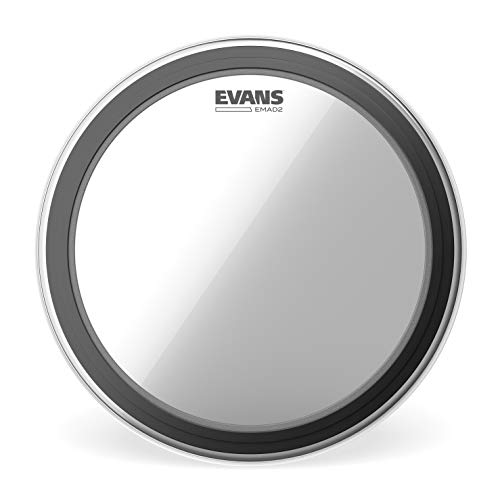
Evans EMAD2 Clear Bass Drum Head, 22″
Evans EMAD2 Clear Bass Drum Head, 22” – Externally Mounted Adjustable Damping System Allows Player to Adjust Attack and Focus – 2 Foam Damping Rings for Sound Options – Versatile for All Music Genres
Best for: Adjustable bass drum control
This head is aimed at drummers who need to shape attack and ring in the mix. The external damping system lets you tune the sound without opening the drum.
Pros
- External damping adjusts attack and sustain
- Two foam rings give extra sound options
Cons
- Damping setup takes some trial and error
DedHeds Bass Drum Head – Focused Low End, Batter Side (22 Inch)
DedHeds Bass Drum Head – Focused Low End, Batter Side (22 Inch) | Powered by Aquarian, Batter and Reso Side
Best for: Focused low end
Producers chasing a tight, controlled kick for modern genres may find this head a good match. It suits sessions where low-end definition matters more than open resonance.
Pros
- Focused, punchy low end
- Batter and reso sides both described in the listing
Cons
- Less natural ring than vintage-style heads
Beatello Silent Mesh Drum Head Set – 5-Piece Volume Reduction
Beatello Silent Mesh Drum Head Set – 5-Piece Volume Reduction Black Drum Heads for Practice (10", 12", 14", 16", 22") – Reduce Noise by 90% for Apartment & Late-Night Training
Best for: Quiet tracking sessions
Drummers recording in shared spaces or late at night may want a quieter kit for tracking. Mesh heads reduce acoustic bleed, though they change the feel and tone.
Pros
- Five-piece set covers common drum sizes
- Listed as reducing noise substantially for practice
Cons
- Feel and tone differ from traditional heads
Evans EMAD2 Bass Drum System Pack, 22 inch
Evans EMAD2 Bass Drum System Pack, 22 inch, Batter & Reso Heads, 2-Ply | Bass drum pack with a punchy 2-ply EMAD2 batter and ported EMAD reso head, plus swappable damping rings to dial in your tone.
Best for: Complete bass drum system
This pack suits drummers who want a matched batter and reso setup with damping already planned. It is a sensible choice for building a consistent kick sound across sessions.
Pros
- Batter and reso heads included
- Swappable damping rings for tone changes
Cons
- Requires some tuning time to dial in
Buying Guide
Microphone Compatibility
Check whether the head needs a mic hole or can accommodate an internal mic. Some bass drum heads are sold with pre-cut holes, while others require modification.
Sustain and Overtone Control
Heads with external or internal damping let you shorten ring that can blur a mix. Consider how much sustain your music needs before choosing a clear or coated head.
FAQ
Do I need a special drum head to record drums?
You don’t strictly need one, but a head with controlled sustain and clear attack usually makes miking and mixing easier. Standard heads can work well too if they are tuned properly and the room is treated.
What is the difference between a batter head and a reso head?
The batter head is the top head you strike, and it shapes attack and feel. The reso head is the bottom head, and it influences sustain, resonance, and the overall tone of the drum.
Are mesh heads good for recording?
Mesh heads are mainly designed for quiet practice, so they tend to sound very different from acoustic heads on a recording. They can be useful for tracking in noise-sensitive spaces, but many engineers prefer a real drum head for the final sound.
Why would I want a microphone hole in a bass drum head?
A mic hole lets you place a microphone inside the drum, close to the beater, without cutting into the head yourself. This can help capture a focused, punchy sound with less bleed from other instruments.
Do damping rings help with recording?
Damping rings can reduce unwanted ring and overtones, which often makes the bass drum sit better in a mix. They are a quick way to adjust tone without changing heads, though too much damping can make the drum sound dead.
Should I tune my drums differently for recording than for live play?
Many drummers tune slightly lower and tighter for recording to get a controlled, focused sound that translates well through mics. Small adjustments and testing in your actual room are usually the best approach.
Conclusion
If you want a versatile, well-balanced tom setup that performs consistently in a studio, the Evans EC2S Clear Rock Tompack is a strong starting point. For bass drum tracking with a mic placed inside the shell, the Resonant Bass Drum Head with a microphone hole is the most direct choice.
Drummers who want fine control over sustain and attack should look at the Evans EMAD2 options, while the DedHeds head suits players seeking a focused low end. The Beatello mesh set fits those who need silent practice first and occasional recording second.
Related reading
- Vintage Ludwig Drum Heads: 6 Best Picks for Classic Kit Sound
- Top 6 Tama Bass Drum Heads Compared for Every Kit
- Top 5 Fiber Skin Drum Heads for Practice and Stage Use
About Miles Sinclair
Miles Sinclair is part of our editorial team and reviews and edits our drums guides, checking product details against manufacturer specifications and owner feedback.
About the author
Miles Sinclair writes reviews and buying guides for Drum Path.