6 Best Yamaha Cymbal Stand Used Options for Every Drummer (2026)
Looking for a yamaha cymbal stand used? Compare six Yamaha boom and lightweight stands by use case, specs, pros and cons to find your fit.
 By Audrey Hayes
Updated November 26, 2026
 By Audrey Hayes
Updated November 2026
Shopping for a yamaha cymbal stand used can save money, but it also means you have to judge condition, fit and stability without a store display to lean on. This list compares six Yamaha cymbal stands that drummers commonly look at, whether you buy new or secondhand. We weighed each model against four criteria: how well the design suits common stand tasks, the build and bracing approach, how the stand fits into a typical kit, and patterns owners tend to report about stability and durability. We did not test these stands ourselves, so treat the specs as manufacturer-listed or widely known details and confirm them on the stand you are considering.
Our top picks at a glance
- 1TOP CHOICEBest overallYamaha CS-755 Boom Cymbal Stand – Medium Weight, Single-Braced, Boom StandView on Amazon
- 2
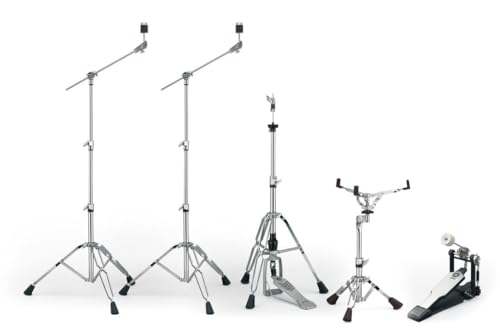 TOP CHOICEBest for a full drum set-upYamaha HW-880 800 Series Hardware Pack Cymbal StandView on Amazon
- 3
 TOP CHOICEBest for lightweight kitsYamaha CS-3 Advanced Lightweight Aluminum Cymbal StandView on Amazon
- 4
 Best budget pickYamaha CS-665A Boom Cymbal Stand – Lightweight, Double-BracedView on Amazon
- 5
 Best for stability under heavy cymbalsYamaha Cymbal Stand CS6W | Light-Weight, Double-Braced, Boom Stand with Step Free TilterView on Amazon
- 6
 Best for simple, single-brace setupsYamaha CS-655A Boom Cymbal Stand – Lightweight, Single-BracedView on Amazon
Our Top Picks
| Product | Best for | Key feature |
|---|---|---|
| Yamaha CS-755 Boom Cymbal Stand | Overall balance of weight and stability | Medium-weight boom design, single-braced |
| Yamaha HW-880 800 Series Hardware Pack Cymbal Stand | Drummers buying a complete stand set | Part of a matched hardware pack |
| Yamaha CS-3 Advanced Lightweight Aluminum Cymbal Stand | Light kits and easy transport | Aluminum construction for low weight |
| Yamaha CS-665A Boom Cymbal Stand | Budget-minded buyers | Lightweight, double-braced boom |
| Yamaha Cymbal Stand CS6W | Heavier cymbals and extra stability | Double-braced base with step-free tilter |
| Yamaha CS-655A Boom Cymbal Stand | Simple setups and light gigging | Lightweight, single-braced design |
Yamaha CS-755 Boom Cymbal Stand – Medium Weight, Single-Braced, Boom Stand
Yamaha CS-755 Boom Cymbal Stand – Medium Weight, Single-Braced, Boom Stand
Best for: Overall balance of weight and stability
This is a solid all-round choice for drummers who want a boom stand that handles mid-weight cymbals without feeling bulky. It suits a player with a standard kit who plays in rehearsal rooms and small venues.
Key specs
- Medium-weight boom stand
- Single-braced base
Pros
- Medium weight gives a good balance between stability and portability
- Boom arm suits a wide range of cymbal positions
- Familiar Yamaha design that is easy to set up
Cons
- Heavier to carry than the lightweight models in this list
- Single bracing may not suit very heavy cymbals
Bottom line: A good first choice if you want one dependable boom stand for everyday playing.
View on AmazonYamaha HW-880 800 Series Hardware Pack Cymbal Stand
Yamaha HW-880 800 Series Hardware Pack Cymbal Stand
Best for: Drummers buying a complete stand set
This pack is aimed at players who need several stands at once, such as someone outfitting a new kit or replacing a full set of worn hardware.
Key specs
- Sold as part of a matched hardware pack
- Designed to match the 800 Series line
Pros
- Matched finish and design across the set
- Convenient if you need more than one stand
- Consistent fit with other Yamaha hardware
Cons
- Only useful if you need the full pack
- Pack contents can vary by listing, so confirm what is included
Bottom line: Best for buyers who want a matched set rather than a single replacement stand.
View on AmazonYamaha CS-3 Advanced Lightweight Aluminum Cymbal Stand
Yamaha CS-3 Advanced Lightweight Aluminum Cymbal Stand
Best for: Light kits and easy transport
Drummers who load and unload gear often, or who play smaller kits with lighter cymbals, will appreciate the low weight of this aluminum stand.
Key specs
- Aluminum construction
- Lightweight design
Pros
- Easy to carry to gigs and rehearsals
- Lower mass makes it simple to reposition
- Good fit for lighter cymbals
Cons
- May feel less stable with heavy crash or ride cymbals
- Lighter build can be more sensitive to loose fittings
Bottom line: A strong pick for mobile drummers with light to medium cymbals.
View on AmazonYamaha CS-665A Boom Cymbal Stand – Lightweight, Double-Braced
Yamaha CS-665A Boom Cymbal Stand – Lightweight, Double-Braced
Best for: Budget-minded buyers
This stand is a practical option for students and budget-conscious players who want a lightweight boom with the added stability of double bracing.
Key specs
- Lightweight build
- Double-braced base
Pros
- Double bracing adds stability over single-brace designs
- Light enough for frequent setup changes
- Straightforward boom design
Cons
- Lightweight frame may not suit the heaviest cymbals
- Older listings may show used or refurbished units
Bottom line: A sensible budget choice for learning drummers and light-use players.
View on AmazonYamaha Cymbal Stand CS6W | Light-Weight, Double-Braced, Boom Stand with Step Free Tilter
Yamaha Cymbal Stand CS6W | Light-Weight, Double-Braced, Boom Stand with Step Free Tilter
Best for: Heavier cymbals and extra stability
Players who run heavier ride or crash cymbals and want a double-braced base to keep things steady will find this model relevant.
Key specs
- Lightweight yet double-braced
- Step-free tilter feature
Pros
- Double bracing supports heavier cymbals
- Step-free tilter allows smooth angle adjustments
- Light overall weight for its stability level
Cons
- Tilter mechanism needs periodic checking for tension
- Newer listing, so owner feedback is more limited
Bottom line: A good match for drummers who want stability with heavier cymbals without a heavy stand.
View on AmazonYamaha CS-655A Boom Cymbal Stand – Lightweight, Single-Braced
Yamaha CS-655A Boom Cymbal Stand – Lightweight, Single-Braced
Best for: Simple setups and light gigging
This single-braced boom is a simple, light option for drummers with compact kits who play small venues and do not need the extra base support of a double-braced design.
Key specs
- Lightweight build
- Single-braced base
Pros
- Light and easy to pack
- Simple design with fewer parts to check
- Suitable for compact kit layouts
Cons
- Single bracing is less stable with heavy cymbals
- Best kept to lighter cymbal loads
Bottom line: Works well for light setups, but choose a double-braced model if your cymbals are heavy.
View on AmazonBuying Guide
Check the condition of a used stand
When buying a yamaha cymbal stand used, inspect the tubes for dents, bends or creases, which can weaken the stand under load. Look at the threads on the tilter and height clutch, and make sure the wing nuts and clutches tighten fully without stripping. Check the rubber feet or base pads for cracks, since worn pads can let the stand slide.
Good picks for this: Yamaha CS-755 Boom Cymbal Stand, Yamaha CS-665A Boom Cymbal Stand
Match the weight to your cymbals
Heavier cymbals, especially large crashes and heavy rides, need a stand with a sturdier base. Lightweight stands are easier to carry but can wobble under heavy loads. A practical rule is to choose a double-braced base for heavier cymbals and reserve single-braced models for lighter ones.
Good picks for this: Yamaha Cymbal Stand CS6W, Yamaha CS-3 Advanced Lightweight Aluminum Cymbal Stand
Consider bracing and base design
Single-braced stands use one leg brace and are generally lighter. Double-braced stands add a second brace for better stability. For a stand that will sit under a crash in a live setting, double bracing usually gives a more secure base.
Good picks for this: Yamaha CS-665A Boom Cymbal Stand, Yamaha CS-655A Boom Cymbal Stand
Check the boom and height range
A boom arm lets you position cymbals over the kit, but it adds leverage that can tip a light base. Measure the height and reach you need before buying, and make sure the boom extends far enough to place the cymbal where you play. Confirm that the clutches hold the arm at your chosen height without slipping.
Good picks for this: Yamaha CS-755 Boom Cymbal Stand, Yamaha HW-880 800 Series Hardware Pack Cymbal Stand
Think about portability
If you carry your gear to rehearsals or gigs, weight and packed length matter. Aluminum and lightweight designs reduce the load on your arms and back, which adds up over repeated trips. Balance that against the stability you need for your heaviest cymbal.
Good picks for this: Yamaha CS-3 Advanced Lightweight Aluminum Cymbal Stand, Yamaha CS-655A Boom Cymbal Stand
Assess durability and maintenance
Used stands often show wear at the clutches and tilter. Tighten fasteners periodically, lubricate moving parts lightly if the manufacturer recommends it, and replace worn felts or pads. A stand that is well maintained will last far longer than one left to loosen between sessions.
Good picks for this: Yamaha HW-880 800 Series Hardware Pack Cymbal Stand, Yamaha Cymbal Stand CS6W
Match the stand to your playing style
Drummers who move cymbals often, such as those who shift between songs with different positions, benefit from a smooth tilter and easy clutches. Players who set up once and leave the kit in place can prioritize maximum stability over quick adjustment.
Good picks for this: Yamaha Cymbal Stand CS6W, Yamaha CS-755 Boom Cymbal Stand
FAQ
Is a used Yamaha cymbal stand a good buy?
It can be, provided the stand is structurally sound. Check for bends in the tubes, cracks in the base, and clutches that still grip firmly. A used stand that passes these checks often works as well as a new one.
How do I know if a used stand is safe to use?
Set the stand up with a cymbal you trust and tighten every clutch. Gently push the cymbal and boom to see whether the base shifts or the arm drops. If the stand moves more than you expect, or a clutch slips, do not use it with expensive cymbals until it is repaired.
Should I choose a single-braced or double-braced stand?
Choose double bracing if you play heavier cymbals or perform in environments where the kit gets bumped. Single bracing works for lighter cymbals and compact kits where weight and portability matter more.
Can I use a boom stand for a crash cymbal?
Yes, boom stands are commonly used for crash and ride cymbals. The key is matching the stand’s stability to the cymbal’s weight, and positioning the boom so the cymbal does not overhang the base excessively.
How often should I tighten the clutches?
Check them before each session, especially on a used stand. Clutches can loosen with repeated playing. Tighten them firmly but avoid overtightening, which can strip threads over time.
What parts might need replacing on a used stand?
Common replacements include felts, rubber feet, wing nuts and tilter components. Replacement parts are available for many Yamaha stands, though fit should be confirmed for the specific model before ordering.
Conclusion
For most drummers shopping for a yamaha cymbal stand used, the Yamaha CS-755 is a well-rounded starting point, with the CS6W better suited to heavier cymbals and the CS-3 or CS-655A to lighter, portable setups. If you need several stands at once, the HW-880 hardware pack makes more sense. Whatever you choose, inspect the used unit carefully, confirm the clutches hold, and match the bracing to your heaviest cymbal.
If you are also weighing other options, you may find Yamaha Lightweight Cymbal Stand: 6 Best Picks for Every Drummer (2026) and Yamaha Cymbal Boom Stand: 6 Best Picks for Every Drummer (2026) useful for comparing additional models. For a broader view of setup basics, What Is a Boom Cymbal Stand? A Beginner's Guide to Setup and Use explains how to position and secure a boom stand. Drummers who need to repair an older unit can consult Yamaha Cymbal Stand Parts: A Guide to Every Component and Fix before buying replacement hardware.
Sources
- workplace guidance on safe equipment handling and load stability, relevant to securing heavy hardware (osha.gov)
- general guidance on posture and safe lifting when transporting gear
Before you buy: helpful guides
About Audrey Hayes
Audrey Hayes is part of our editorial team and reviews and edits our drums guides, checking product details against manufacturer specifications and owner feedback.
About the author
Audrey Hayes writes reviews and buying guides for Drum Path.