7 Best Remo Silentstroke Mesh Drum Heads for Quiet Practice (2026)
Compare the 7 best remo silentstroke mesh drum heads by size, use case and feel, so you can pick the right quiet practice head for your kit.
 By Owen Palmer
Updated November 11, 2026
 By Owen Palmer
Updated November 2026
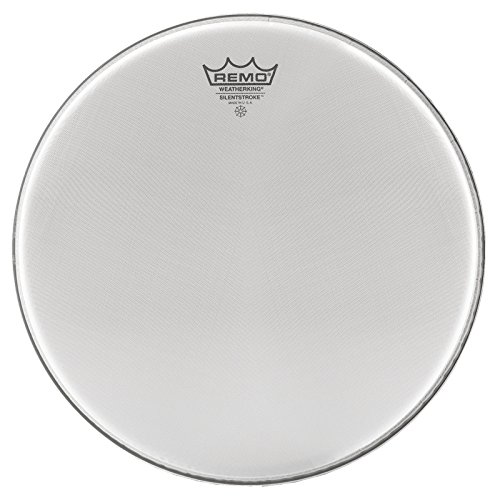
Choosing among remo silentstroke mesh drum heads comes down to three things: the drum size you play, whether you need a bass or a tom/snare head, and how much rebound and stick feedback you want while keeping the volume down. This guide compares seven Remo Silentstroke options across sizes from 8 to 20 inches, with a focus on practice rooms, apartments and drummers who want a realistic feel without a full kit’s noise. Each pick is judged on its listed size, intended use and the feedback owners commonly describe.
Our top picks at a glance
- 1TOP CHOICEBest overallRemo Silentstroke Drumhead, 10"View on Amazon
- 2TOP CHOICEBest for small kitsRemo Silentstroke Drumhead, 8"View on Amazon
- 3TOP CHOICEBest for snare-style practiceRemo Silentstroke Drumhead, 12"View on Amazon
- 4
 Best for floor tomsRemo Silentstroke Drumhead, 14"View on Amazon
- 5Best for larger floor tomsRemo Silentstroke Drumhead, 15"View on Amazon
- 6
 Best for bass drum practiceRemo Silentstroke Bass Drumhead, 20"View on Amazon
- 7
 Best budget pick (clear coated pack)Remo Pinstripe Clear Drumhead PackView on Amazon
Our Top Picks
Quick Comparison
| Product | Best for | Key feature |
|---|---|---|
| Remo Silentstroke Drumhead, 8″ | Small kits and compact tom setups | Compact mesh face for quiet small-diameter work |
| Remo Silentstroke Drumhead, 12″ | Snare-style and rack tom practice | Mid-size mesh surface with balanced rebound |
| Remo Silentstroke Drumhead, 10″ | General tom practice | Versatile size for everyday pad-style work |
| Remo Silentstroke Drumhead, 15″ | Larger floor toms | Wide mesh area for full-stroke feel |
| Remo Silentstroke Drumhead, 14″ | Standard floor toms | Common floor tom size for quiet rehearsal |
| Remo Silentstroke Bass Drumhead, 20″ | Bass drum practice | Large-format head for kick-drum work |
| Remo Pinstripe Clear Drumhead Pack | Budget-minded drummers | Pack format for setting up multiple heads |
Remo Silentstroke Drumhead, 10″
Remo Silentstroke Drumhead, 10"
Best for: General tom practice and drummers who want one size that covers most mounting situations.
This is a practical middle-ground size for players who rotate between small toms and larger ones. It suits practice rooms where you want a realistic response without committing to a dedicated bass or floor-tom head.
Key specs:
- Diameter: 10 inches
- Design: mesh-style silent head for quiet practice
- Intended use: tom and general pad-style practice
Pros:
- Versatile size that fits many common tom mounts
- Good balance between rebound and noise reduction
- Easy to pair with other Silentstroke sizes
Cons:
- Not sized for bass drum or the largest floor toms
- Feel differs from a full acoustic head, which some players will notice
Bottom line: The best starting point for most drummers who want one quiet head to try before buying a full set.
View on AmazonRemo Silentstroke Drumhead, 8″
Remo Silentstroke Drumhead, 8"
Best for: Small kits and compact tom setups.
Smaller drums respond quickly, so an 8-inch mesh head suits players with compact kits or a small rack tom they want to keep quiet in an apartment or shared space.
Key specs:
- Diameter: 8 inches
- Design: mesh-style silent head
- Intended use: small tom practice
Pros:
- Fits small-diameter mounts
- Quick, responsive stick feedback typical of small toms
- Low-profile sound when practicing
Cons:
- Limited use outside small drums
- Owners with large kits will need additional sizes
Bottom line: Pick this if your kit centers on small toms and you want quiet practice without oversized heads.
View on AmazonRemo Silentstroke Drumhead, 12″
Remo Silentstroke Drumhead, 12"
Best for: Snare-style and rack tom practice.
A 12-inch mesh head is a common choice for rack toms and for drummers who want a surface that feels closer to a snare-style rebound during silent sessions.
Key specs:
- Diameter: 12 inches
- Design: mesh-style silent head
- Intended use: rack tom and snare-style practice
Pros:
- Mid-size surface with balanced rebound
- Suits rack toms in standard configurations
- Good for working on rudiments at moderate volume
Cons:
- Feel will not fully match a tensioned acoustic snare
- Not appropriate for bass drum or the largest floor toms
Bottom line: A strong choice for rack tom players and rudiment-focused practice.
View on AmazonRemo Silentstroke Drumhead, 14″
Remo Silentstroke Drumhead, 14"
Best for: Standard floor toms.
Fourteen inches is one of the most common floor tom sizes, so this head suits drummers who want a quiet floor tom that matches a standard kit layout.
Key specs:
- Diameter: 14 inches
- Design: mesh-style silent head
- Intended use: floor tom practice
Pros:
- Matches a common floor tom size
- Lower, fuller response than small toms
- Useful for practicing floor tom fills quietly
Cons:
- Requires a 14-inch floor tom to fit
- Still a silent head, so the feel differs from an acoustic shell
Bottom line: The natural pick for players with a standard 14-inch floor tom who want quiet practice.
View on AmazonRemo Silentstroke Drumhead, 15″
Remo Silentstroke Drumhead, 15"
Best for: Larger floor toms.
Fifteen-inch heads suit drummers with larger floor toms who want the same quiet-practice benefits across their floor setup.
Key specs:
- Diameter: 15 inches
- Design: mesh-style silent head
- Intended use: large floor tom practice
Pros:
- Fits larger floor tom shells
- Broad playing surface for full strokes
- Good match for a 15-inch floor tom in a quiet room
Cons:
- Only useful with larger floor toms
- Can feel less responsive than smaller sizes on fast passages
Bottom line: Choose this if your floor tom is 15 inches and you want a matching silent surface.
View on AmazonRemo Silentstroke Bass Drumhead, 20″
Remo Silentstroke Bass Drumhead, 20"
Best for: Bass drum practice.
A 20-inch head is sized for bass drum use. It suits drummers who need a quiet kick-drum surface for pedal work and practice in apartments or shared rooms.
Key specs:
- Diameter: 20 inches
- Design: silent bass drumhead
- Intended use: bass drum practice
Pros:
- Correct size for common bass drum shells
- Quieter kick practice than an acoustic head
- Helps build pedal control at lower volume
Cons:
- Only relevant to bass drum setups
- Pedal feel differs from a resonant batter head
Bottom line: The right choice for kick-drum players who want a silent bass head.
View on AmazonRemo Pinstripe Clear Drumhead Pack
Remo Pinstripe Clear Drumhead Pack
Best for: Budget-minded drummers buying multiple heads at once.
A pack format can make sense for drummers outfitting several drums together. It is a practical option when you want to replace heads across a kit without buying each size separately.
Key specs:
- Format: multi-head pack
- Design: clear drumhead pack from the Pinstripe line
- Intended use: general drumming, not a dedicated silent head
Pros:
- Convenient for multi-drum replacement
- Clear finish is a familiar, versatile option
- Good value for drummers replacing several heads
Cons:
- Not a mesh head, so it will not give silent practice
- Pack contents should be checked against your drum sizes
Bottom line: Consider this only if you want acoustic-style heads in a pack; for quiet practice, choose a Silentstroke size instead.
View on AmazonBuying Guide
Match the Head Size to Your Drum
Measure the drum’s nominal diameter, not the shell’s outer width. Common sizes are 8, 10, 12 and 14 inches for toms and 20 inches for bass drums. A head that is even one size off will not seat properly.
Good picks for this: Remo Silentstroke Drumhead, 10″ and Remo Silentstroke Drumhead, 14″
Decide Between Bass and Tom Heads
Bass drum heads are a different design from tom heads. Use a bass head on a bass drum and tom-size heads on toms. Mixing them up affects both fit and feel.
Good picks for this: Remo Silentstroke Bass Drumhead, 20″ and Remo Silentstroke Drumhead, 12″
Consider Rebound and Stick Feel
Mesh heads reduce volume by design, which also changes rebound. Drummers who rely on a bouncy acoustic response may need a few sessions to adjust. Smaller sizes tend to respond faster, while larger heads give a broader, slower feel.
Good picks for this: Remo Silentstroke Drumhead, 8″ and Remo Silentstroke Drumhead, 15″
Check Your Use Case
Silent heads suit practice, apartments, late-night rehearsal and warm-up routines. They are not a replacement for stage or studio tone. If your goal is recording or live sound, plan on acoustic heads for performance.
Good picks for this: Remo Silentstroke Drumhead, 10″ and Remo Pinstripe Clear Drumhead Pack
Think About Durability and Care
Keep the mesh surface clean and avoid sharp objects. Store heads flat or in their packaging when not mounted. Check the seating edge regularly for wear, and replace the head if the mesh shows fraying or uneven tension.
Good picks for this: Remo Silentstroke Drumhead, 12″ and Remo Silentstroke Drumhead, 14″
Plan Your Tuning Approach
Mesh heads still need even tension. Tune in a star pattern with a drum key, bringing each lug up in small, equal turns. Uneven tension can cause buzzing and uneven rebound even on a quiet head.
Good picks for this: Remo Silentstroke Drumhead, 15″ and Remo Silentstroke Bass Drumhead, 20″
FAQ
What are remo silentstroke mesh drum heads used for?
They are designed for quiet practice on toms and bass drums. The mesh surface reduces volume compared with a standard acoustic head, which makes them useful in apartments and shared spaces.
How do I know which size to buy?
Measure the diameter of the drum you plan to use. Match it to the listed size, and use the bass head only for bass drums.
Do mesh heads feel the same as acoustic heads?
No. Most drummers notice a different rebound and stick response. It is best to treat them as practice tools rather than exact substitutes for acoustic heads.
Can I use a silent head on a snare drum?
Some drummers use a mesh head for snare-style practice, but the feel and sound differ from a tensioned snare. Check the listing and your drum’s mounting before buying.
How should I tune a mesh drum head?
Tighten the lugs in a star pattern in small, equal increments until the head is even. Avoid overtightening, which can damage the mesh and change rebound.
How often should I replace the head?
Replace it when you see fraying, tears, loose seating or uneven feel that tuning does not fix. Frequency depends on how much you play.
Conclusion
For most drummers, the 10-inch head is the most flexible starting point. Players with specific drums should match the size exactly: 8 inches for small toms, 12 inches for rack toms, 14 or 15 inches for floor toms, and the 20-inch head for bass drum. The Pinstripe pack suits drummers who want to replace several acoustic heads at once, but it is not a silent option. Measure your drums first, then choose the size that fits your kit.
Sources
- Product safety guidance relevant to home and practice-space equipment (cpsc.gov)
- Workplace noise exposure information that can help you think about practice volume (osha.gov)
Related reading
- Remo Silentstroke Drum Heads: 6 Best Picks for Quiet Practice (2026)
- Remo Silent Stroke Drum Heads: 7 Best Picks for Quiet Practice (2026)
- Remo Resonant Drum Heads: How to Choose the Right Pair (2026)
- Remo Pinstripe Drum Heads Review: Features and Performance
- Remo Drum Heads Ambassador: 5 Best Picks for Every Drummer (2026)
- 7 Best Remo Djembe Drum Heads for Every Player (2026)
About Owen Palmer
Owen Palmer is part of our editorial team and reviews and edits our drums guides, checking product details against manufacturer specifications and owner feedback.
About the author
Owen Palmer writes reviews and buying guides for Drum Path.