Ec2 Evans Drum Heads Review: Features and Performance
Evans EC2S Clear Rock tompack review: specs, pros and cons, and who should buy these ec2 Evans drum heads for balanced, durable tom tone.
 By Owen Palmer
Updated November 10, 2026
 By Owen Palmer
Updated November 2026
The ec2 Evans drum heads line is one of the most recognized two-ply options for toms, and the Evans EC2S Clear Rock Tompack in 10″, 12″ and 16″ sizes is a common choice for drummers who want a single pack that covers a full rack setup. This review looks at the product as a research-based buyer’s guide, drawing on the stated specifications and the patterns owners tend to describe. It is aimed at beginners building a first kit and gigging drummers who want dependable, consistent tom heads without chasing a specialty sound. Drummers who need a very dry, muffled tone, or who are looking for a silent practice head, will likely want a different product, and drummers working with a very specific bass drum or snare application should check the size and ply requirements before buying.
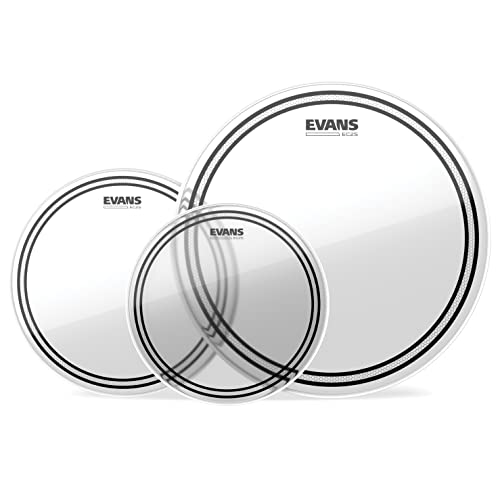
Evans EC2S Clear Rock Tompack Drum Heads 10", 12", 16" | Evans drum heads deliver balanced tone, consistent response, durability, and reliable performance.
Product Overview
The Evans EC2S Clear Rock Tompack is a set of clear tom drum heads sold together in three sizes: 10 inches, 12 inches and 16 inches. Evans markets the EC2 family as its “Equal Coat” two-ply design, and the Clear Rock version is aimed at players who want a sustained, open tone with a bit more controlled ring than a single-ply head. The packaging is built around the idea that a drummer can replace an entire tom rack at once, which makes it straightforward to keep heads matched across the kit.
The listing describes these heads as delivering balanced tone, consistent response, durability and reliable performance. Those are general qualities rather than hard measurements, so it helps to look at the specific specifications and the way the product fits into a typical setup. For context on how Evans heads are usually compared with other head families, the article 6 Best Evans Onyx Drum Heads for Every Drummer (2026) covers a different Evans line and is useful if you are weighing construction styles.
Key Features & Specifications
The table below lists the features that are stated in the product name or are well established for this model. Where a detail is not confirmed by the listing, it is left out.
| Feature | Details |
|---|---|
| Model family | Evans EC2S (Equal Coat, two-ply) |
| Finish | Clear |
| Intended use | Rock-oriented toms |
| Included sizes | 10 inch, 12 inch, 16 inch |
| Format | Tompack (multiple heads in one set) |
| Ply construction | Two-ply film design |
Two-ply heads generally sit between a thin single-ply head and a thick, heavily dampened head in terms of attack and sustain. Owners of two-ply toms often describe a fuller low end than single-ply heads give, with a more defined pitch than a heavily muffled head. Confirm the exact sizes you need against your toms before ordering, since tom diameters vary by brand and shell style.
Pros & Cons
Pros
- Covers three common tom sizes in one purchase, which simplifies matching heads across a rack.
- Clear finish offers an open, sustained tone that many rock players prefer.
- Two-ply construction generally balances attack and resonance better than a thin single-ply head.
- Owners commonly report durable performance under regular gigging and rehearsal use.
- Recognizable Evans brand with broad availability of replacement parts and compatible heads.
Cons
- Clear two-ply heads will ring more than a heavily dampened head, which may not suit tight jazz or studio close-miking.
- Not a silent or practice-pad solution; a silent-stroke product is a better fit for quiet rooms.
- Pack format means you pay for all three sizes even if you only need one or two.
- Tone is shaped heavily by tuning, so beginners may need time to dial in the sound.
Performance Analysis
Because this review is based on specifications and owner feedback patterns rather than hands-on testing, the performance discussion focuses on how two-ply clear heads typically behave and what drummers tend to say about them. The general pattern is a head that responds quickly to a stick, projects a clear fundamental pitch, and sustains without excessive overtone buildup when tuned in the mid range.
Tuning matters more than the head itself in most cases. A common starting point for a two-ply tom is to bring the batter head up to a firm, even tension using a torque key or the hand method, then tune the resonant head slightly lower or matched to the batter for a fuller sound. Tap the head about an inch in from the rim at several points around the circumference and listen for even pitch. Uneven pitch around the head often points to uneven tension and is worth correcting before deciding the head itself is at fault. The article Evans Pull Cord Drum Key: How to Use and Tighten Drum Heads (2026) walks through tightening technique in more detail.
Owners tend to report that clear two-ply toms hold their tuning well once seated, though they recommend a short break-in period of a few days of playing before final tuning. Durability reports are generally positive for regular rehearsal and gig use, with wear most often showing up as the head losing its crispness over time rather than tearing or failing outright.
Where the performance may fall short is in quiet environments and in recording settings that call for a very dry, controlled tom sound. In those cases, drummers often add a small dampening ring, a strip of gel or a towel, or they choose a heavier or more heavily coated head. The sustain that makes these heads sound open in a rock mix can work against a tight, modern studio sound unless the tuning and muffling are adjusted.
Who Should Buy This Product?
These heads suit drummers who play rock, classic rock, pop-rock or general band work and want an open, resonant tom sound. They are also a sensible pick for beginners who want a reliable, widely used head that will not need to be replaced quickly and who want to match all their toms with one purchase. Players building a kit around the Evans ecosystem will find the pack convenient.
You should skip these heads if your priority is silence, a dry jazz sound, or a head designed for heavy muffling without added accessories. Drummers with a single small tom who only need one head may also find a single-size purchase more practical than a full pack. For that kind of focused tom need, see Evans EMAD Bass Drum Heads: 5 Best Picks for Every Drummer (2026) if you are also sorting out the bass drum, or consider a dedicated single head instead.
Buying Guide
Before buying any tom head set, measure your toms or check the diameter stamped or documented by the manufacturer. Tom sizes are nominal, and a 12-inch tom head is sized to the shell’s outside or inside measurement depending on the brand, so confirm the head size matches the shell rather than assuming. Verify the rim type as well, since most standard tom rims accept common Evans sizes, but some vintage or specialty shells do not.
Next, decide on ply and finish. Single-ply heads are thinner and more responsive, with a brighter attack and less sustain. Two-ply heads like the EC2 family add a bit of body and make the head easier to tune into a fuller range. Clear finishes give a more open tone than coated heads, which tend to be warmer and more controlled. Think about the music you play and the rooms you play in, not just the sound you hear in a demo.
Finally, consider whether you need a full pack or a single head. A tompack is usually the most straightforward way to outfit a rack, but a single replacement head is more economical if only one drum is worn out. Keep spare heads of the same model so your sound stays consistent when you swap.
Two well-known alternatives are worth comparing:
The Evans EC2S Clear Fusion Tompack covers 10, 12 and 14 inch sizes, which suits drummers with a fusion-sized rack who want a slightly different size mix than the rock pack above.

Evans EC2S Clear Fusion Tompack Drumheads 10, 12, 14" | Evans tom packs deliver balanced tone, consistent response, durable performance and reliable sound for studio and stage.
The Evans EC2S Clear Tom Drum Head 16 Inch is a single-size option for drummers who only need to replace or add a floor tom head and want the same clear EC2 voicing.

Evans EC2S Clear Tom Drum Head 16 Inch | Evans EC2S clear tom heads offer focused tone, controlled overtones, consistent attack and durable performance.
FAQ
Are ec2 Evans drum heads good for beginners?
Yes, they are a reasonable choice for beginners because they are widely used, consistent in response and available in matching sets. Beginners should still expect to spend time learning to tune, since tuning shapes the sound more than the head brand does.
What is the difference between the EC2 and EC2S models?
The EC2 family refers to Evans’s two-ply Equal Coat design. The “S” in EC2S indicates a specific variant in the line. Check the listing details before buying, since the exact construction and intended use can vary within the family.
Do ec2 Evans drum heads need to be broken in?
Owners commonly report that clear two-ply heads sound best after a few days of regular playing. Tuning them up gradually and re-tuning after the first sessions usually gives a more stable result.
Can I use these heads on a bass drum?
The Clear Rock Tompack is designed for toms, so it is not the right product for a bass drum. Bass drums use different sizes and often different ply and muffling choices, so look for heads sized and rated for bass drum use.
Are these heads good for recording?
They can work well in recording when tuned and muffled properly, especially for rock styles. For a very dry, tight studio tom sound, many engineers and drummers add dampening or choose a more heavily controlled head.
How often should I replace tom heads?
Replacement depends on playing frequency, stick impact and how much the head has lost its attack and clarity. Heads that dent, show visible wear or no longer hold pitch evenly are good candidates for replacement.
Do I need a special tool to tune these heads?
You can tune by hand, but a drum key or torque key makes it easier to achieve even tension across all lugs. The Evans Pull Cord Drum Key: How to Use and Tighten Drum Heads (2026) article covers the basics of using a key correctly.
Are these heads a good value for a full kit?
A tompack is convenient when you need to replace multiple toms at once, because it keeps the set matched. If you only need one head, buying a single size is usually more practical than buying the whole pack.
Final Verdict
The Evans EC2S Clear Rock Tompack is a solid, practical choice for drummers who want a clear, resonant two-ply tom head that covers three common sizes in one set. It suits rock and band work, beginners building a reliable kit and anyone who values matched heads across the rack. It is less suited to silent practice, very dry studio tones or drummers who need only a single size. If that profile fits your playing, it is a dependable option to consider. You can check the current listing here: View on Amazon.
About Owen Palmer
Owen Palmer is part of our editorial team and reviews and edits our drums guides, checking product details against manufacturer specifications and owner feedback.
About the author
Owen Palmer writes reviews and buying guides for Drum Path.