Tama RoadPro Straight Cymbal Stand: 7 Best Picks Compared (2026)
Compare the best Tama RoadPro straight cymbal stands by use case, leg design and fit, so you can choose the right tama roadpro straight cymbal stand for your ki
 By Audrey Hayes
Updated November 22, 2026
 By Audrey Hayes
Updated November 2026
Choosing a tama roadpro straight cymbal stand comes down to a few practical questions: how tall you need it to reach, whether you play standing or seated, how much weight your cymbals carry, and whether you want a straight stand or a boom. This guide compares seven Tama models using manufacturer specifications, brand reputation and common owner feedback. We weighed leg design, height range, boom capability, and how well each stand suits a beginner’s practice room or a gigging setup.
Our top picks at a glance
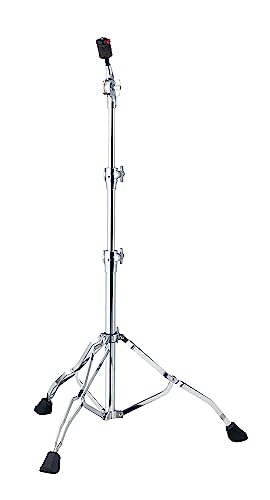
- 1TOP CHOICEBest overallTama HC82W Roadpro Cymbal StandView on Amazon
- 2
 TOP CHOICEBest for boom arm reachTama HC83BW Roadpro Boom Cymbal StandView on Amazon
- 3
 TOP CHOICEBest for adjustable weightTama HC84BW Roadpro Boom Cymbal Stand with Detachable WeightView on Amazon
- 4
 Best for tom and cymbal comboTama HTC87W Roadpro Combination Tom Cymbal StandView on Amazon
- 5
 Best for stabilityTama Stage Master Straight Cymbal Stand with Single-Braced LegsView on Amazon
- 6
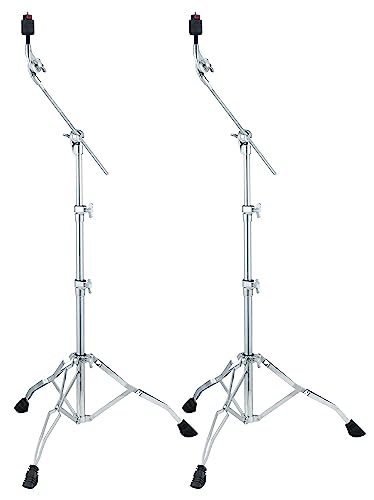 Best for a complete setTama HC43BWN Stage Master Cymbal Stand BundleView on Amazon
- 7
 Best for low-profile setupsTama HS80LOW Roadpro Snare Stand – Low ProfileView on Amazon
Our Top Picks
Quick Comparison
| Product | Best for | Key feature |
|---|---|---|
| Tama HC82W Roadpro Cymbal Stand | Overall straight stand use | Straight tilting design |
| Tama HC83BW Roadpro Boom Cymbal Stand | Boom arm reach | Adjustable boom arm |
| Tama HC84BW Roadpro Boom Cymbal Stand with Detachable Weight | Adjustable weight | Detachable base weight |
| Tama HTC87W Roadpro Combination Tom Cymbal Stand | Tom and cymbal combo | Dual-purpose mounting |
| Tama Stage Master Straight Cymbal Stand with Single-Braced Legs | Stability | Single-braced legs |
| Tama HC43BWN Stage Master Cymbal Stand Bundle | Complete set | Bundled hardware |
| Tama HS80LOW Roadpro Snare Stand – Low Profile | Low-profile setups | Low clearance height |
Tama HC82W Roadpro Cymbal Stand
Tama HC82W Roadpro Cymbal Stand
Best for: Overall straight stand use
This is a solid starting point for drummers who want a no-frills straight stand for crash or ride cymbals and do not need boom reach.
Pros
- Simple, familiar straight-stand design
- Widely available replacement parts
Cons
- No boom arm for positioning over the kit
Tama HC83BW Roadpro Boom Cymbal Stand
Tama HC83BW Roadpro Boom Cymbal Stand
Best for: Boom arm reach
A good fit for drummers who want a cymbal positioned over the snare or toms without a fully straight stand footprint.
Pros
- Boom arm extends cymbal reach across the kit
- Familiar Roadpro build for gigging use
Cons
- Boom arm adds setup steps compared with a straight stand
Tama HC84BW Roadpro Boom Cymbal Stand with Detachable Weight
Tama HC84BW Roadpro Boom Cymbal Stand with Detachable Weight
Best for: Adjustable weight
Suited to drummers who move between practice rooms and stages and want to tune base stability to the floor they are playing on.
Pros
- Detachable weight helps with stability on slick floors
- Boom design keeps cymbals over the kit
Cons
- Weight can be inconvenient to haul to gigs
Tama HTC87W Roadpro Combination Tom Cymbal Stand
Tama HTC87W Roadpro Combination Tom Cymbal Stand
Best for: Tom and cymbal combo
Works for drummers who want one stand that can hold a cymbal and also serve a tom position, reducing hardware on a small kit.
Pros
- Dual-purpose mounting saves space
- Roadpro hardware matches other stands in the line
Cons
- Compromises can appear when a dedicated stand would do better
Tama Stage Master Straight Cymbal Stand with Single-Braced Legs
Tama Stage Master Straight Cymbal Stand with Single-Braced Legs
Best for: Stability
Aimed at drummers who play hard and want a straight stand that resists wobble during heavy crashes.
Pros
- Single-braced legs add a sturdier footprint
- Straight design is simple to set and adjust
Cons
- Bulkier base can take up more floor space
Buying Guide
Stand Type: Straight vs. Boom
A straight cymbal stand holds the cymbal directly above its base, which keeps setup simple and tends to suit drummers with compact kits or those who mainly play seated. A boom stand adds an angled arm, letting you position the cymbal over the kit or further out to the side, which is helpful for crowded setups or drummers who like cymbals placed at a specific angle.
Height Range and Reach
Check the maximum and minimum height against your own playing position and your kit layout. A stand that is too short can force awkward posture, while one that is too tall may wobble if you do not extend it to the proper setting. Standing players often need more height than seated players, so match the range to how you actually play.
Leg Design and Stability
Leg style affects how well the stand holds up under heavy hits and how much floor space it takes. Single-braced legs are often easier to fit between other kit pieces, while wider multi-leg bases can feel more secure on uneven stages. Think about the floor you will usually play on, whether that is a carpeted practice room, a hard gig stage, or a shared rehearsal space.
Cymbal Weight and Load Capacity
Heavier cymbals, such as crash or ride cymbals used for louder music, put more stress on the stand’s tilter and tube. Look for a model whose rated capacity suits the largest cymbal you plan to mount. If you play heavier cymbals or add a detachable counterweight, a stand designed for boom use with extra balance can give you more control.
Intended Use: Practice, Studio, or Gigging
Beginners practicing at home may be well served by a simpler straight stand that is easy to set up and store. Gigging drummers who load in and out often benefit from sturdy hardware, quick-release adjustments, and parts that hold their position over time. Matching the stand to how often you move it will help you decide how much build quality and extra features are worth paying for.
FAQ
Is a straight cymbal stand better than a boom stand for beginners?
For many beginners, a straight stand is easier to set up and understand because the cymbal sits directly over the base. It also takes up less space and requires fewer adjustments. Once you begin arranging a more complex kit, a boom stand may become useful.
How do I know what height I need?
Sit or stand at your normal playing position and have someone hold a cymbal where you would strike it. Adjust the stand so the cymbal sits comfortably at that height without forcing your arms or shoulders out of position. Recheck after you finish tuning your kit.
Can a single-braced leg stand be stable enough for gigs?
Many single-braced stands perform well for typical playing when set up correctly and placed on a reasonably level surface. Stability depends on proper tightening, the weight of your cymbals, and the floor you are playing on. Drummers who play aggressively or on uneven stages may prefer a wider base for added security.
What does a detachable weight do on a boom stand?
A detachable weight is a counterweight that helps balance the boom arm when a heavier cymbal is mounted. It can reduce the tendency of the arm to tip or droop. You can usually remove it when you do not need the extra balance.
Do I need a bundle if I already have some stands?
A bundle can be a good value if you are outfitting a new kit and want matching hardware in one purchase. If you already own compatible stands, buying individually may be a better fit for the specific pieces you need. Compare the included items against what you already have before deciding.
How should I store or transport my cymbal stand?
Loosen the tilter and clamps, then fold or collapse the stand according to its design so the tubes do not bend or twist. Keep the stand in a padded bag or case when traveling to protect the clamps and finish. Checking the fittings before each use helps prevent slipping during play.
Conclusion
If you want a simple, dependable straight stand for a practice room or a compact kit, the Tama HC82W Roadpro Cymbal Stand is a sensible starting point. Drummers who need more reach or want to position cymbals over a crowded setup will find the boom options, especially the HC83BW and HC84BW, better suited to their layout.
For players who want an all-in-one solution, the bundle and combination models may fit well, while those with specific tom or snare needs can look at the remaining Roadpro pieces. Match the stand type, height range, and load capacity to your playing position and gig schedule, and the right pick will usually be clear.
Related reading
- Tama RoadPro Cymbal Stand Review: Is the HC83BW Worth It?
- 6 Best Tama RoadPro Boom Cymbal Stands for Every Drummer (2026)
- Tama Titan Cymbal Stand: 5 Best Picks for Every Drummer (2026)
- Tama Cymbal Stand Thread Size?
- Tama Cymbal Stand Parts: A Guide to Every Component and Fix (2026)
About Audrey Hayes
Audrey Hayes is part of our editorial team and reviews and edits our drums guides, checking product details against manufacturer specifications and owner feedback.
About the author
Audrey Hayes writes reviews and buying guides for Drum Path.