Best Resonant Drum Heads for Toms Review: Evans EC Resonant 12 Inch
Looking for the best resonant drum heads for toms? See how the Evans TT12ECR EC Resonant head performs, who it suits, and what to consider before you buy.
 By Owen Palmer
Updated November 11, 2026
 By Owen Palmer
Updated November 2026
Choosing the best resonant drum heads for toms usually comes down to one question: how much control do you want over the sound once the stick hits the head? The Evans TT12ECR EC Resonant Drum Head is built for drummers who want focused tone, clear sustain and a predictable overtone profile without much fuss. It suits working drummers, students moving from practice pads to a real kit, and anyone who wants a dependable 12-inch resonant head that behaves consistently across different tom setups. It is less appealing to players chasing a wide-open, boomy sound or those who want heavy dampening built into the head itself. Read on for specifications, a balanced look at strengths and limitations, and a buying guide that compares it with two well-known alternatives.
Evans TT12ECR EC Resonant Drum Head, 12 Inch | Evans EC Resonant heads deliver controlled overtones, clear sustain, focused resonance and dependable tom response.
Product Overview
The Evans TT12ECR is a 12-inch resonant tom head from Evans, part of the company’s EC (Ear Control) resonant line. Evans positions the EC series as a middle path between open, ringing resonant heads and heavily controlled batter-side designs. The listing describes controlled overtones, clear sustain, focused resonance and dependable tom response, which is a fair summary of what the EC design aims to do.
In practical terms, this is a resonant head meant to sit on the bottom of a tom, shaping how the drum rings after each hit. Resonant heads are generally tuned lower than batter heads and contribute a larger share of the drum’s sustain and projection. The EC approach focuses on keeping that ring musical and manageable rather than letting it drift into an unfocused wash.
Because it is a single resonant head, it works best when paired with a batter head chosen for the sound you want on top. Many drummers pair a resonant head like this with a coated or clear batter, then adjust tuning to find the balance between attack and ring.
Key Features & Specifications
The table below lists only the details that are clearly supported by the product name and listing description. Check the manufacturer’s current documentation for anything beyond these points.
| Feature | Details |
|---|---|
| Brand | Evans |
| Model | TT12ECR EC Resonant Drum Head |
| Diameter | 12 inches |
| Head Type | Resonant (bottom head for toms) |
| Series | EC (Ear Control) Resonant |
| Tone Profile | Controlled overtones, clear sustain, focused resonance |
| Intended Use | Tom response in acoustic kits |
Pros & Cons
Pros
- Controlled overtones help keep the ring musical rather than messy, especially in live rooms.
- Clear sustain gives toms a defined note that sits well in both rock and pop contexts.
- Focused resonance makes it easier to tune tom pitches to specific intervals.
- The 12-inch size fits a common rack or floor tom choice and suits a wide range of kit configurations.
- Owners generally describe consistent response from hit to hit, which matters for both practice and gigs.
Cons
- Players seeking a very open, boomy resonant sound may find it more controlled than they want.
- It is a single head, so drummers still need a batter head and possibly dampening to fine-tune the setup.
- Results depend heavily on tuning, shell construction and batter choice, so beginners may need time to dial it in.
- Like most resonant heads, it can increase low-end ring that some drummers prefer to reduce with muffling.
Performance Analysis
Based on the listing’s stated design goals and common owner feedback patterns for EC-series resonant heads, performance tends to fall into three areas: tone control, sustain behavior and tuning stability.
Tone Control
The EC design is built around keeping overtones in check. In practice, that means the tom’s fundamental pitch is easier to hear clearly, and the higher overtones are less likely to become a metallic or hollow wash. Drummers working in smaller rooms or recording sessions often appreciate this predictability, because the tom sounds more like a single pitch and less like a cloud of frequencies.
Sustain and Projection
Clear sustain is one of the main reasons drummers choose resonant heads. A head that rings clearly lets the tom carry through a mix without much added effort. Owners of resonant heads in this family often report that the ring feels defined rather than sloppy, which can help in genres where tom fills need to be heard distinctly. The trade-off is that the ring lasts longer, so players who want short, punchy toms will likely add a small amount of dampening.
Tuning and Consistency
Resonant heads reward patient tuning. A common approach is to tune the resonant head slightly lower than the batter, then set the pitch relationship by ear. Because the EC design aims for focused resonance, small tuning changes tend to produce noticeable and predictable shifts, which is useful once a drummer learns the process. Owners generally describe the head as stable once seated, though changes in humidity and temperature can still affect any drum head, so periodic retuning is normal.
Overall, the head suits drummers who value control and clarity over maximum volume of ring. It is less of a fit for players who want a wide, open tom sound with minimal dampening.
Who Should Buy This Product?
This head makes sense for drummers who already understand the basics of tom tuning and want a resonant head that behaves predictably. Working drummers who play a variety of styles and need consistent tom voices across different venues will likely find it useful. Recording drummers who want clear tom pitches without heavy muffling may also appreciate the controlled tone.
Beginners can still benefit from it, especially if they are upgrading from a worn or inconsistent head. However, they should expect a learning curve. Tuning a resonant head well takes practice, and the difference between a good and average result often comes from small adjustments rather than the head alone.
Drummers who should skip it include those who want a very open, ringing tom or who prefer to rely entirely on built-in dampening rather than external muffling. If your priority is a dry, short tom sound, a batter-side control head or a different resonant design may suit you better.
Buying Guide
Before buying any resonant tom head, consider the following factors:
- Diameter: Match the head to the drum. A 12-inch resonant head fits a 12-inch tom. Measure the shell’s nominal size rather than the rim height.
- Head construction: Single-ply and two-ply heads differ in attack, warmth and durability. Check the manufacturer’s stated ply count for the model you are considering.
- Tone goal: Decide whether you want controlled focus, open ring or something in between. This largely determines which series fits your sound.
- Batter pairing: The resonant head works alongside the batter. Think about the combination, not just the bottom head in isolation.
- Dampening plan: Plan whether you will use gel, foam or tape to shorten sustain. Many drummers do this even with controlled resonant heads.
If the Evans TT12ECR is not quite the right fit, two well-known options deserve a look.
The Evans Genera Resonant is another Evans resonant head with a more open, musical character. It suits drummers who want a fuller, more resonant voice and are comfortable doing a bit more dampening work.
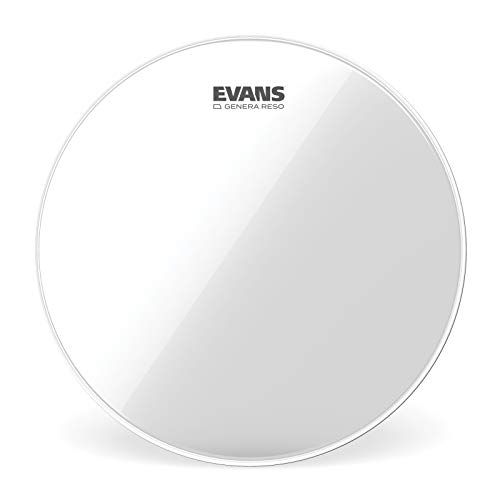
Evans Genera Resonant Drumhead 12 Inch | Evans Genera Resonant heads deliver open tone, clear sustain, balanced resonance and dependable tom performance.
For drummers who want a complete set of heads, the Evans G1 Clear Fusion Tompack offers a balanced, reliable tone across 10, 12 and 14-inch sizes. It is a practical choice for those who prefer buying matched heads for a full tom setup rather than mixing sizes.

Evans G1 Clear Fusion Tompack Drumheads 10, 12, 14" | Evans tom packs deliver balanced tone, consistent response, durable performance and reliable sound for studio and stage.
If you are still deciding on a general approach, guides such as 6 Best Drum Heads for Toms: Our Picks Compared for Every Drummer and 7 Best Tom Drum Heads: Top Picks for Every Drummer (2026) offer broader comparisons. For a closer look at the EC line itself, see Evans Resonant Drum Heads Review: Features and Performance and Evans Resonant Drum Heads Review: Features and Performance. Drummers curious about resonant design in general may also find Remo Resonant Drum Heads: How to Choose the Right Pair (2026) useful.
FAQ
What does a resonant drum head do on a tom?
A resonant head sits on the bottom of the tom and controls how the drum rings after being struck. It influences sustain, overtones and projection. Resonant heads are usually tuned lower than the batter head to shape the drum’s overall voice.
Is a 12-inch resonant head a good size for all toms?
It fits 12-inch toms directly. Always match the head diameter to the drum’s nominal size. A 12-inch head will not fit a 10- or 14-inch shell.
Should I use a resonant head with a batter head?
Yes. Most tom setups use both a batter head on top and a resonant head on the bottom. The pairing determines the final sound, so choose them together.
Do I need to dampen an EC resonant head?
Not always. Many drummers use light dampening to shorten sustain, especially in tight mixes. Whether you need it depends on your style, room and tone preference.
How often should I retune my tom heads?
Tom heads can drift with temperature and humidity changes. Many drummers check tuning before each session and make small adjustments as needed. Consistent tuning habits matter more than any fixed schedule.
Can beginners use this resonant head?
Beginners can use it, but should expect to spend time learning tuning. Using a tuning gauge or tapping around the head edge can make the process more methodical.
Is this head suitable for recording?
Many recording drummers prefer controlled resonant heads because they give predictable pitches. Results still depend on the drum, room and microphone setup, so test before committing a session.
Where can I learn more about tom tuning?
Your drum shop, instructor or the manufacturer’s tuning guides are good starting points. Consult a qualified drum technician if you are unsure about setting up a kit.
Final Verdict
The Evans TT12ECR EC Resonant Drum Head is a sensible choice for drummers who want clear sustain, controlled overtones and dependable tom response in a 12-inch resonant head. It rewards careful tuning and pairs well with a batter head chosen for your sound. Players who want a very open ring or a dry, short tom should look at alternatives or plan on heavier dampening.
View on AmazonRelated reading
About Owen Palmer
Owen Palmer is part of our editorial team and reviews and edits our drums guides, checking product details against manufacturer specifications and owner feedback.
About the author
Owen Palmer writes reviews and buying guides for Drum Path.